
25 November 2026 — Secure House Admin
Arched Aluminium Doors: Style, Strength and Security Combined
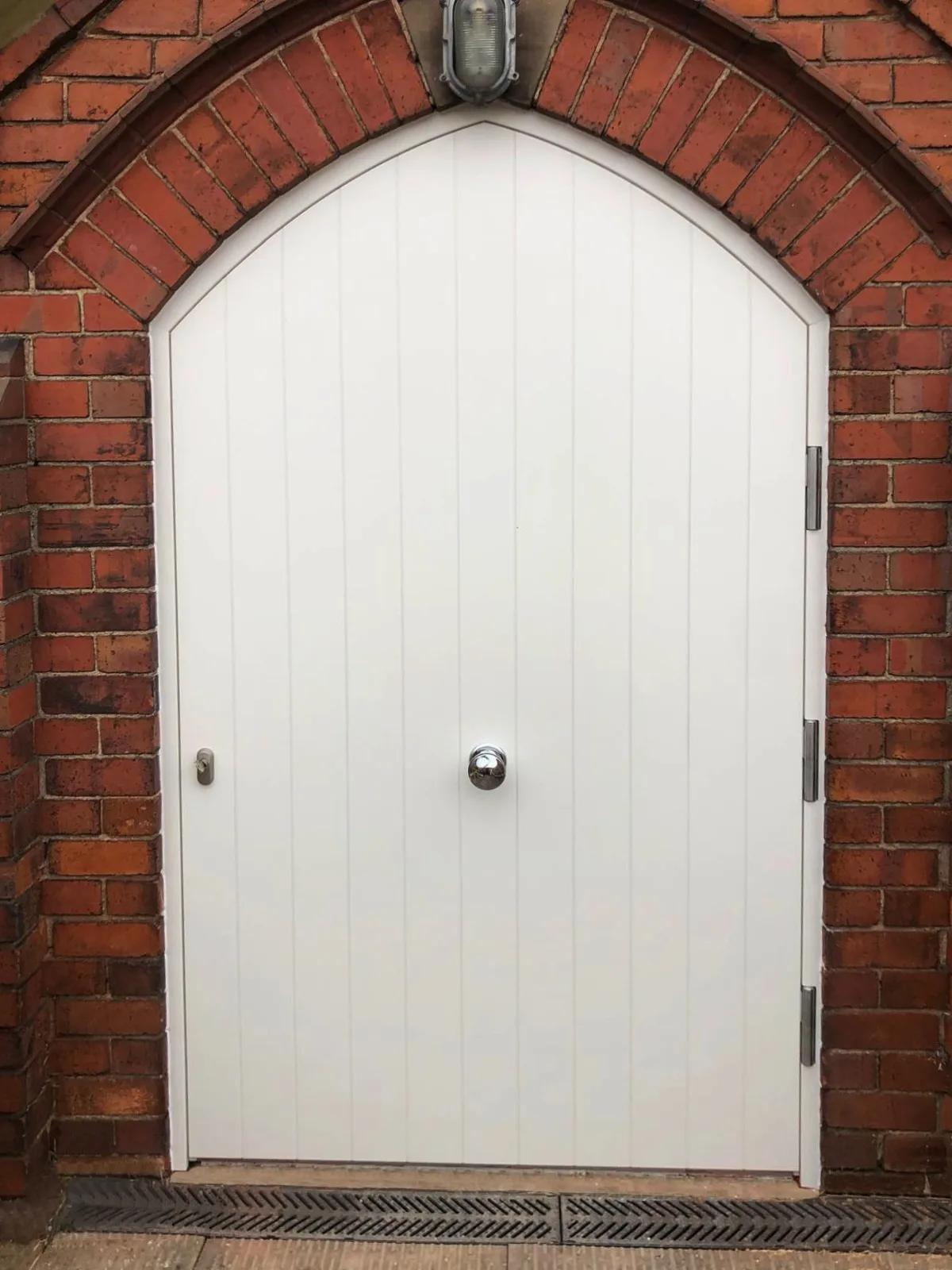
Arched aluminium doors are doors with a curved head, made from aluminium frames and usually fitted with glazing or solid panels, which combine a distinctive architectural shape with the strength and slim profiles of aluminium. They suit both traditional and contemporary buildings, but the curved shape raises specific questions about manufacture, glazing, thermal performance and security that you should check before ordering.
What are arched aluminium doors?
An arched door has a curved upper edge instead of a straight head. The curve may be a gentle segment, a full semicircle or another profile, and may apply to the door leaf, the frame, an overlight or the whole opening. Aluminium is a common material for these designs because its frame sections can be formed into curves while keeping slim sightlines.
Why do arched doors have such architectural appeal?
A curved head softens hard building lines, draws the eye to the entrance and suggests craftsmanship. Arches echo features found in many architectural periods, from classical to Mediterranean to modern interpretations, which is why they appear on homes, boutique commercial buildings and landmark entrances.
Which configurations and design options exist?
Single arched door: Description: One leaf with a curved head; Design consideration: Needs a custom-shaped leaf and glazing
Double arched doors: Description: Two leaves meeting under one arch; Design consideration: Meeting stile alignment and locking points matter
Straight door with arched overlight: Description: Rectangular door with curved glazing above; Design consideration: Often easier to manufacture than a fully curved leaf
Arched door with sidelights: Description: Curved head spanning door and side panels; Design consideration: Frame design must support the wider span
Custom shapes need accurate surveys and drawings. Check with the supplier which options are standard and which are made to order, because capabilities differ between manufacturers.
What are the characteristics of aluminium as a material?
Aluminium is strong for its weight, can be formed into slim profiles and is generally corrosion-resistant. It is available in many finishes, commonly powder-coated colours. Modern aluminium frames normally use thermal breaks, which separate the inner and outer faces of the frame to limit heat transfer, but specifications differ, so ask for the details of the exact system.
How do custom sizing and manufacturing work?
Arched frames require precise measurement of the opening, the curve radius and the reveal. The profiles are curved and joined to suit the design, then glazed and finished. Lead times can be longer than for standard rectangular doors, and any design changes after ordering may be difficult, so confirm drawings before production begins.
What glazing options and design considerations apply?
Curved heads often need shaped glass, which can influence cost, weight and performance. Consider privacy needs, safety glazing requirements, solar control, security and the effect of glazing bars. Where the door forms part of a security specification, laminated glass held securely within the frame is often discussed, but you should confirm what the supplier offers rather than assume.
How do thermal performance and weather sealing work?
Thermal performance depends on the frame system, thermal breaks, glazing type, seals and installation. Do not rely on a general claim: request the stated performance for the exact door configuration. Weather sealing relies on seals, drainage and threshold detailing, and curved sections need careful design to keep water out. In England, Approved Document L sets energy performance expectations for new and replacement doors, so check current requirements for your project.
Which locking systems and security features should you ask about?
Ask about the locking points, cylinder protection, hinges, glazing retention and frame fixing. A multi-point lock is common on aluminium doors, but quality varies. Also ask whether any security test evidence applies to the specific arched shape and size, as test results for standard rectangular doors do not necessarily cover custom curved designs. Do not assume a security rating unless the supplier can document it for the exact product.
Do arched doors suit traditional and contemporary buildings?
Yes, depending on proportions and detail. Slim aluminium sections with minimal glazing bars can create a crisp, modern look, whereas heavier sections, mouldings or decorative glazing can echo period styles. For protected buildings, planning or heritage rules may restrict modern materials, so check before committing.
What do installation and maintenance involve?
Installation should be precise, because the curve leaves less room for adjustment. Fixings, packing and sealing must follow the manufacturer's instructions. Aluminium needs little maintenance beyond periodic cleaning, checking seals and drainage, and lubricating hardware as recommended.
Checklist: what to check before ordering arched aluminium doors
Is the exact curve, size and configuration within the manufacturer's capability?
What thermal, security and glazing specifications apply to this configuration, and can the supplier evidence them?
Are drawings and tolerances agreed before manufacture?
Are planning, heritage or leasehold approvals needed?
What are the lead time, installation arrangements and warranty terms?
How does an arched design affect cost and programme?
Curved frames and shaped glazing usually take more design and manufacturing effort than straight-edged doors, and that can affect both price and lead time. Costs also depend on size, finish, glazing and hardware, so it is sensible to compare quotations that describe exactly the same specification.
Ask the supplier what happens if the opening changes after the survey. A small difference can matter more with an arch, because the curve must meet the structure accurately. Confirming drawings, tolerances and responsibilities before production helps avoid surprises on installation day.
How Secure House can help
Secure House has featured an arched doors project and offers made-to-order security doors. Share your design, opening size and security requirements through the contact page, and ask the team to confirm what can be supplied for your particular arched design.
Frequently Asked Questions
Are arched aluminium doors secure?
They can be, depending on the locking, hinges, glazing and frame fixing. Ask for the specification and any test evidence for the exact arched design, because results for standard rectangular doors may not apply.
Are arched aluminium doors energy efficient?
Performance depends on the frame system, thermal breaks, glazing and installation. Ask the supplier for the stated performance of your exact configuration rather than relying on general claims.
Can arched aluminium doors be made to measure?
Many arched designs are made to order, but capabilities differ between manufacturers. Confirm the curve, sizes and finishes the supplier can produce before you commit.
How long do arched aluminium doors take to manufacture?
Lead times are often longer than for standard doors because the shape is custom and the frame and glazing are made to order. The supplier should give a programme after confirming the survey and drawings.
Do arched aluminium doors need much maintenance?
Aluminium generally needs little upkeep. Clean the frame periodically, check seals and drainage, and lubricate hardware as the manufacturer recommends.