

25 November 2026 — Secure House Admin
Fire Doors for Schools: Compliance, Ratings and Safe Specification
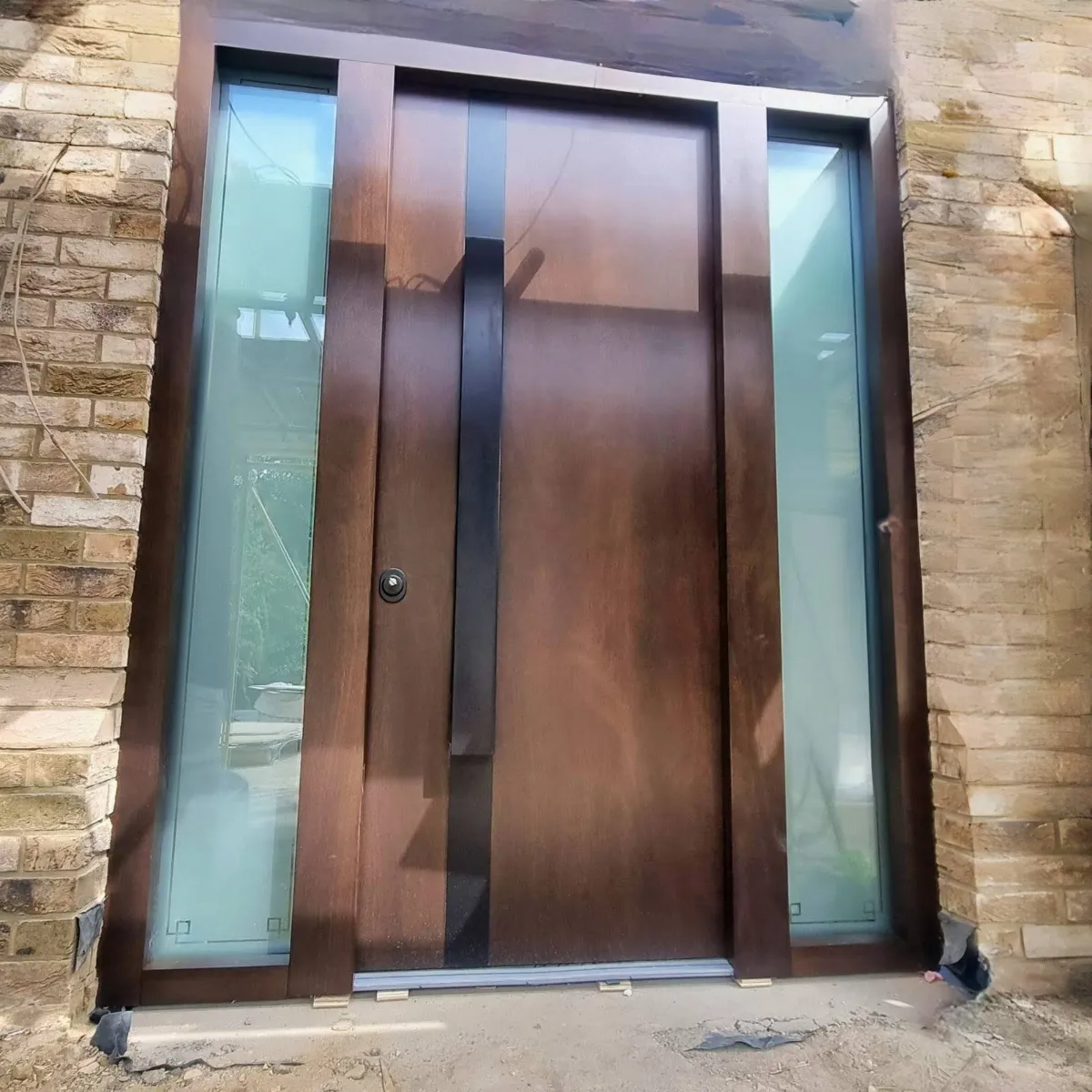
Fire doors for schools are certified door assemblies installed in openings on escape routes and compartment lines to hold back fire and smoke while pupils and staff leave the building. Where they are needed, and which rating applies, depends on the school's fire strategy, applicable regulations and professional assessment, not on a single rule. This guide covers the main specification, installation and maintenance points for estates and facilities teams.
Why are fire doors important in school buildings?
Schools bring together large numbers of people, many of them children, in buildings with long corridors, stairs and often several storeys. Fire doors protect escape routes and limit the spread of fire and smoke between spaces, giving more time for evacuation and for the fire and rescue service to respond. They only work as intended if they are specified, installed and maintained correctly.
Where might fire doors be required?
Locations depend on the building's fire strategy, but typical examples include doors protecting stairwells and corridors, doors to higher-risk rooms such as kitchens, plant rooms and some laboratories or workshops, and doors on compartment lines. Do not assume locations; refer to the fire strategy and your fire risk assessment.
How should you interpret FD30 and FD60?
FD30: Meaning: Tested for 30 minutes of fire integrity; Notes for schools: Common on many internal routes, where the strategy specifies it
FD60: Meaning: Tested for 60 minutes of fire integrity; Notes for schools: Often relevant to higher-risk or higher-rated compartment lines
"S" suffix: Meaning: Smoke seals are part of the tested design; Notes for schools: Where smoke control forms part of the strategy
The rating only applies to the door when it is installed as tested. The fire strategy sets which rating each opening needs.
What makes up a compatible fire door assembly?
A fire door assembly includes the leaf, frame, intumescent and smoke seals, hinges, closer, latches or locks, and any glazing. These parts are tested as a combination, so replacing one item with an untested alternative can affect performance. In a busy school, where doors are repaired often, this is a common source of non-compliance.
What should you know about vision panels and fire-rated glazing?
Vision panels help people see approaching traffic and support supervision, so they are common in school doors. The glazing, beads and seals in a fire door must be tested and fire-rated for that door, and a panel cut into a standard door generally does not maintain the rating. Specify glazed fire doors as complete tested assemblies and ask for evidence for the glass type and panel size.
Which certification and documents should you ask for?
Third-party certification schemes such as BM TRADA Q-Mark, Certifire and IFC audit manufacture. Request the certificate or test evidence for the door, the manufacturer's installation instructions, details of approved hardware and handover documentation. Keep these with the school's fire safety records so future inspections can verify the specification.
Which UK legislation and guidance apply?
In England, schools generally fall under the Regulatory Reform (Fire Safety) Order 2005, which requires a responsible person to carry out and maintain a fire risk assessment. New work and alterations also fall under the Building Regulations, supported by Approved Document B. The Department for Education's Building Bulletin 100 gives guidance on fire safety design in schools; check which version is current for your project. Scotland, Wales and Northern Ireland have separate requirements. This is general guidance, so confirm project specifics with a fire engineer, fire risk assessor or building control body.
How should fire doors be installed?
Installation should follow the tested configuration and the manufacturer's instructions, with gaps, fixings, seals and hardware set accordingly. Ask for installers whose competence is demonstrated through a recognised third-party scheme, and for a record of what was fitted.
How do you inspect and maintain school fire doors?
Establish a routine check covering damage, gaps, seals, hinges, closers, latches, glazing and signage, and make sure doors are never wedged open. Your fire risk assessment should set how often each door is checked. Record checks and repairs, and have defects fixed by a competent person promptly.
What common problems affect school fire doors?
Damaged leaves and frames from heavy use and trolleys.
Missing, painted-over or damaged intumescent seals.
Faulty or disconnected closers, or doors propped open.
Incorrect gaps due to wear, swelling or poor adjustment.
Unapproved hardware or holes cut for signage and locks.
What school-specific factors affect specification?
Doors in schools get frequent, sometimes rough use, so durability, robust hinges and closers, and impact protection matter. Accessibility is important too: closers and hardware should allow pupils, staff and visitors with disabilities to use the doors, and the specification should be checked against accessibility guidance. Balance these needs with the fire strategy rather than weakening either.
Checklist: specifying fire doors for schools
Confirm the required rating and location of each door from the fire strategy.
Request third-party certification and test evidence.
Specify complete assemblies, including glazing and hardware.
Check durability and accessibility needs.
Arrange competent installation and obtain handover records.
Set an inspection and maintenance routine.
Who should be involved in specifying school fire doors?
Door specification works best as a joint decision. The estates or facilities manager understands day-to-day wear, the fire risk assessor or fire engineer confirms which openings need which ratings, and the architect, contractor or door supplier provides the technical evidence. Senior leaders and the governing body or trust should also know who holds responsibility for fire safety.
Timing matters too. Many schools plan door work during holidays to limit disruption, but fire doors cannot be left unprotected or unfinished when pupils return, so agree programme, temporary arrangements and sign-off in advance. Keep the final records alongside your fire risk assessment so later inspectors can verify what was installed.
How Secure House can help
Secure House offers fire resistant doors and can discuss specification questions for education buildings. Share your requirements through the contact page and ask for the ratings and certification evidence for any door you are considering.
Frequently Asked Questions
Do all school doors need to be fire doors?
No. Only doors identified by the building's fire strategy and risk assessment need to be fire doors, and the rating varies by location. Do not assume locations; check with a qualified fire professional.
What fire rating do fire doors for schools need?
It depends on the opening. FD30 and FD60 are common, but the correct rating comes from the fire strategy, building design and applicable regulations rather than a blanket rule.
Can school fire doors have vision panels?
Yes, if the glazing, beads and seals are tested and fire-rated as part of the door assembly. A panel cut into an untested door may compromise the rating, so ask for evidence for the glass and panel size.
How often should school fire doors be inspected?
Your fire risk assessment should set the frequency. Routine checks for damage, gaps, seals, closers and propped doors are good practice, with records kept and defects repaired quickly.
Who is responsible for fire door compliance in a school?
The responsible person under the fire safety legislation, usually the employer or the person in control of the premises, must ensure a suitable fire risk assessment and maintenance. Roles vary between school types, so confirm the arrangement for your setting.