

17 November 2026 — Secure House Admin
Secure Garage Doors: How to Protect Your Home’s Weakest Entry Point
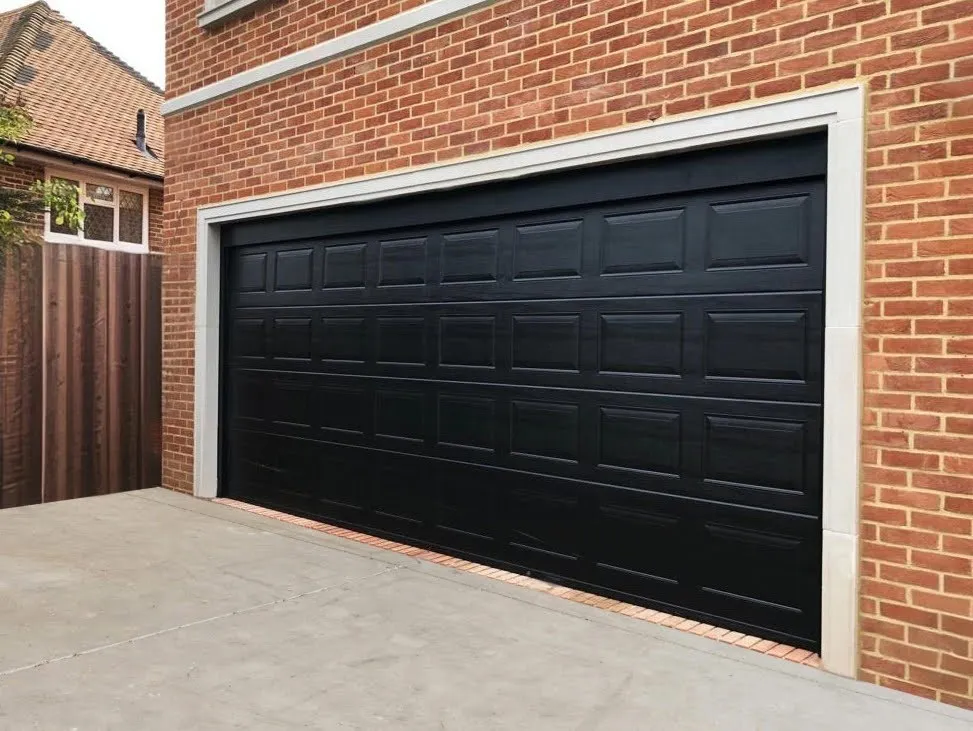
Secure garage doors are doors whose construction, locking, fixings and operating system work together to resist forced entry, rather than doors that rely on one lock or one material. Security depends on the complete system, the specification and the quality of installation, so no door type is automatically safe. This guide shows what to compare before you buy.
Why does garage security matter?
A garage often has a wide opening, sits out of view and may connect directly to the house. Once inside, an intruder can work on the internal door without being seen from the street, and garages commonly hold tools and ladders that could help with a break-in elsewhere. Treating the garage as part of your home's security plan, not an afterthought, closes a common gap.
How do garage door types compare for security?
- Sectional: How it operates: Horizontal panels rise and sit parallel to the ceiling; Security considerations: Panel construction, track fixings and motor locking matter most
- Up-and-over: How it operates: Single leaf tilts upward on arms and springs; Security considerations: Older designs with basic latches may be easier to force; check locking on the actual model
- Roller: How it operates: Slatted curtain winds into a box above the opening; Security considerations: Slat material, guide rails and motor locking affect resistance
- Side-hinged: How it operates: Two leaves swing open like doors; Security considerations: Hinge protection, bolts and frame fixings are key
- Side-sliding: How it operates: Panels slide along a rail; Security considerations: Rail strength and locking points are important
- Trackless: How it operates: Counterweights and cables lift the door; Security considerations: Cable and lifting mechanism protection should be checked
Within each type, quality varies widely, so compare specifications rather than assuming one category is always stronger.
Which locking mechanisms and extra features help?
- Multi-point locking that secures the door at more than one position.
- Motor locking on electric doors, which holds the door shut against lifting.
- Shielded or protected emergency release so it cannot be reached from outside.
- Internal deadlocks or bolts for periods when the garage is unoccupied.
- Protected hinges and strengthened bottom rails to resist levering.
What materials and construction should you look for?
Steel, aluminium, timber and composite panels all appear in garage doors. The material name matters less than panel thickness, internal reinforcement, how the panels join, and how securely the frame fixes to the surrounding structure. Ask the supplier how the door is built, not just what it is made from.
How is resistance to forced entry measured?
Some doors and shutters are tested to recognised security standards, such as the EN 1627 resistance classes or LPS 1175 security ratings, but many garage doors carry no such rating. If a supplier claims a rating, ask for the test evidence for that exact model and configuration. Where a door is untested, rely on construction, locking and installation detail, and be wary of broad claims.
How secure is an automated garage door?
Automation adds convenience and new risks. Choose a motor that locks the door when closed, use remotes that employ rolling or encrypted codes, and avoid leaving handsets visible in parked cars. Keep any manual release inaccessible from outside. Powered doors must also operate safely, so a competent installer should follow the relevant safety standards such as BS EN 12453.
Can you integrate garage doors with alarms and CCTV?
Yes, in many cases. Door contacts on the garage door and the internal house door can report to an alarm panel, lighting can cover the approach, and CCTV can monitor the driveway. These measures add detection and deterrence; they supplement, rather than replace, a well-built door.
What do installation and maintenance involve?
Correct installation means secure fixings, aligned panels and locks that engage fully. Check locks, hinges, seals and the motor's behaviour regularly. Springs and tension adjustments should be left to a competent technician, as these components store significant force.
What should you know about insurance?
Insurers set their own requirements, and they vary. Read your policy and ask your insurer what it expects of garage doors and locks before buying. No feature can guarantee acceptance, and a door that suits one policy may not meet another.
Checklist: evaluating secure garage doors before you buy
- Does the supplier explain the whole system, not only the lock?
- Is the locking multi-point or motor-assisted, and can you see how it works?
- Are hinges, tracks and frame fixings described clearly?
- Can the supplier show test evidence for any security claim?
- Is the emergency release protected from outside access?
- Have you confirmed insurer requirements in writing?
- Who installs, maintains and services the door?
Which weak points do homeowners often overlook?
- The internal door to the house: if the garage is attached, treat this door as an external door, with a solid leaf, quality lock and protected hinges.
- Side doors and windows: a strong main door loses value if a side entrance is flimsy.
- The emergency release: some mechanisms can be reached through a gap at the top of the door, so ask how yours is protected.
- Visible valuables and tools: garage windows or glazed panels that reveal contents invite attention.
- Lighting: a well-lit, overlooked approach makes any attempt harder.
Reviewing these points alongside the door itself gives a more realistic picture of garage security than focusing on the main door alone.
How Secure House can help
Secure House lists sectional, trackless, side-hinged, side-sliding and up-and-over options on its garage doors page, including sectional garage doors, and offers made-to-measure doors for non-standard openings. Use the contact page to discuss your property and the security specification you need.
Frequently Asked Questions
What makes secure garage doors different from standard ones?
Secure garage doors are built with stronger panels, better locking, protected hinges and more robust fixings than basic models. The difference lies in the whole specification and installation rather than a single feature, so ask suppliers to explain construction and locking in detail.
Which type of garage door is the most secure?
No single type is automatically the most secure. Sectional, roller, side-hinged, sliding and up-and-over doors can all be specified well or poorly. Compare locking, materials, test evidence where available and installation quality for the specific door.
Are electric garage doors more secure than manual ones?
They can be, if the motor locks the door when closed and remotes use encrypted codes. However, handsets left in cars and exposed emergency releases create weaknesses, so the access controls matter as much as the motor.
Do secure garage doors lower insurance premiums?
They might affect your cover or premium, but insurers set their own rules and nothing is guaranteed. Check your policy and speak to your insurer before you buy.
How often should I check my garage door security?
A regular check of the locks, hinges, seals, remotes and any alarm contacts is sensible, with a professional service for the motor, springs and mechanism. Test the door after any adjustment to confirm it locks fully.