13 November 2026 — Secure House Admin
Security Counters: Features, Benefits and Applications
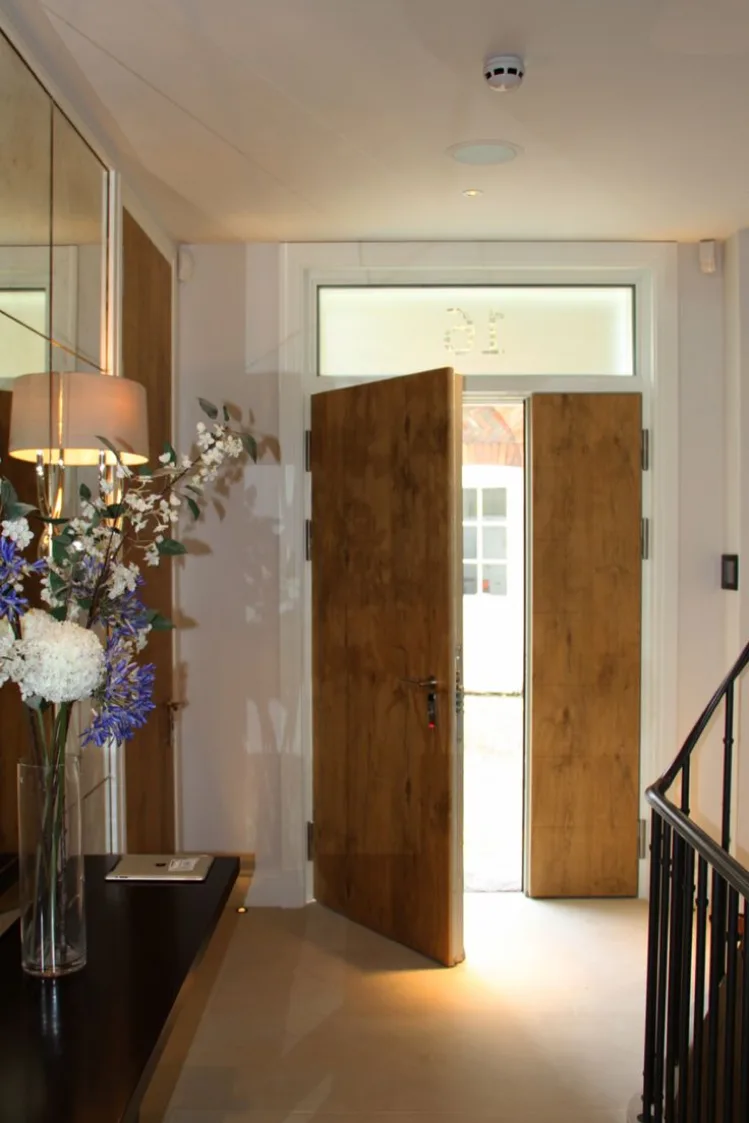
Security counters are specialized installations designed to enhance safety, control access, and facilitate secure transactions in various settings. They are commonly used in banks, government offices, retail environments, and other places where secure and efficient interaction with the public is required. Here’s an overview of security counters, their features, applications, and benefits:
Features of Security Counters
1. Bullet-Resistant Glass: Often incorporated in security counters to protect against ballistic threats, ensuring the safety of personnel and customers.
2. Secure Transaction Windows: Includes pass-through trays, drawers, or hatches that allow for the secure exchange of documents, money, or small items without compromising security.
3. Communication Systems: Built-in intercom systems or speak-through devices to facilitate clear communication between staff and customers without opening the secure barrier.
4. Reinforced Structure: Counters made from strong, durable materials like steel or reinforced wood to withstand physical attacks or forced entry.
5. Access Control: Equipped with electronic locks, biometric scanners, or keypads to control access to the secure area behind the counter.
6. Surveillance Integration: Designed to accommodate surveillance cameras and other monitoring equipment to enhance overall security.
7. Alarm Systems: Integrated alarm systems that can be triggered manually or automatically in case of an emergency.
Applications of Security Counters
1. Banks and Financial Institutions: Used at teller windows, customer service desks, and vault access points to protect against robbery and ensure secure transactions.
2. Government Offices: Installed in areas where sensitive information is handled, such as passport offices, tax departments, and immigration counters.
3. Retail Environments: Utilized in high-value retail settings, like jewelry stores or pharmacies, to protect staff and merchandise.
4. Ticket Booths and Cashier Stations: Found in places like theaters, stadiums, and transportation hubs to safeguard cash handling and ticket transactions.
5. Hospitals and Healthcare Facilities: Used in reception areas and pharmacies to protect staff and sensitive information while ensuring safe and private interactions with patients.
6. Educational Institutions: Installed in administrative offices or security checkpoints to control access and protect school personnel.
Benefits of Security Counters
1. Enhanced Safety: Provides a physical barrier that protects staff from potential threats, reducing the risk of harm during interactions with the public.
2. Controlled Access: Helps in regulating entry and exit points, ensuring that only authorized individuals can access secure areas.
3. Secure Transactions: Facilitates the safe handling of cash, documents, and other valuables, minimizing the risk of theft or fraud.
4. Improved Communication: Communication devices integrated into the counters ensure clear and effective interaction between staff and customers.
5. Deterrent Effect: The presence of a security counter can act as a deterrent to potential criminals, reducing the likelihood of security incidents.
6. Customizable Design: Can be tailored to fit specific needs and aesthetic preferences, ensuring that they blend seamlessly into the existing environment while providing the necessary security.
Design Considerations
1. Location and Layout: The placement of security counters should optimize visibility and accessibility while ensuring that security protocols are maintained.
2. Material Selection: Choosing appropriate materials based on the level of security required, such as bullet-resistant glass, reinforced steel, or impact-resistant panels.
3. Ergonomics: Designing the counters to be comfortable and functional for staff, taking into account the height, seating arrangements, and reach.
4. Integration with Technology: Ensuring that the counters can accommodate necessary security technology, such as surveillance cameras, intercom systems, and electronic access controls.
5. Compliance with Regulations: Adhering to local building codes, safety regulations, and industry standards to ensure that the security counter meets all necessary legal requirements.
Examples and Inspiration
• Modern Bank Counters: Sleek designs with bullet-resistant glass, secure pass-through drawers, and integrated communication systems, providing both security and a professional appearance.
• Government Service Counters: Functional designs with reinforced materials, secure transaction windows, and access control systems to handle sensitive transactions and information securely.
• Retail Security Counters: Customized solutions for high-value retail environments, combining aesthetic appeal with robust security features to protect staff and merchandise.
• Healthcare Reception Desks: Ergonomic and secure designs that protect staff while facilitating efficient patient interaction and confidentiality.
Security counters are essential for creating a safe and controlled environment in various public and private settings. Their design and functionality can be tailored to meet specific security needs, ensuring that staff and customers can interact safely and efficiently.