

17 November 2026 — Secure House Admin
Security Shutters: Types, Benefits and How to Choose the Right One
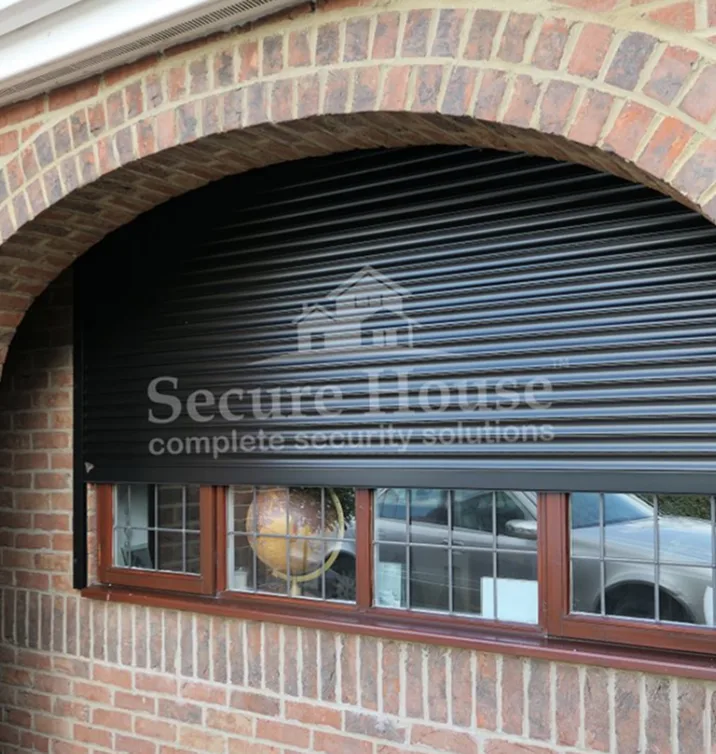
Security shutters are robust barriers fitted over doors, windows and shopfronts to resist forced entry and deter opportunist attacks. The right choice depends on the opening, how often you need access, how visible the premises should be and the level of protection required. Not every shutter offers the same resistance, and security shutters are not automatically fire-rated.
How do security shutters protect an opening?
A shutter places a physical, lockable barrier in front of the glazing or door, which makes attack slower, noisier and more visible. Performance comes from the slats or panels, guide rails, locking method and fixings acting together. A good shutter also keeps the area it protects functional, for example by allowing deliveries, daylight or ventilation.
What types of security shutters are there?
- Roller shutter: How it works: A curtain of slats winds into a box above the opening; Typical use: Shops, workshops, warehouses, doors and windows
- Fixed security shutter: How it works: Panel or slatted screen fixed over the opening; Typical use: Windows or openings that do not need to open
- Collapsible grille: How it works: Folding or retractable lattice with a track; Typical use: Entrances where visibility and airflow matter
- Perforated or lattice roller: How it works: Roller with openings in the slats or curtain; Typical use: Premises needing visibility through the shutter
Within each type, materials and specification vary, so compare each product individually rather than assuming equal protection.
Manual or electric: which operation suits you?
Manual shutters are simple and cost less to run, but they need physical effort for larger openings. Electric shutters open at the press of a button or via remote or keyed switch, which suits frequent use and heavier curtains. Electric systems need power supply planning, a manual override for power failures and safety features such as obstruction detection. A competent installer should apply the relevant safety standards.
What materials and design points should you consider?
- Curtain or panel material: steel and aluminium are common, offering different strength, weight and corrosion behaviour.
- Finish: powder coating or anodising affects appearance and weather resistance.
- Box design: compact or fully covered boxes reduce the visual impact and protect the mechanism.
- Guide rails and fixings: these must suit the wall or frame they attach to.
- Locking: consider integral locks, bottom-rail locks and motor locking for electric models.
What are the benefits and limitations?
Security shutters deter attack, protect glazing, reduce the chance of smash-and-grab damage and can provide a visible sign of protection. Limitations include cost, maintenance, reduced natural light when closed and the fact that a poorly fixed or lightly built shutter offers limited resistance. Shutters also do not replace alarms, lighting or good door security. Some products are tested to recognised standards such as EN 1627 resistance classes or LPS 1175 security ratings; ask for evidence for the exact product rather than assuming.
Where are security shutters used?
They are common on shops, restaurants, offices, workshops, warehouses and industrial units. In homes they are used on ground-floor windows, patio openings, basements and sometimes garages. Each setting has different needs: a shop might prioritise a see-through shutter, a warehouse might need robust, high-cycle operation, and a home might want a discreet shutter box.
Which factors affect shutter selection?
- Opening size and shape: very wide or tall openings may need heavier curtains or intermediate supports.
- Installation conditions: wall construction, available space above the opening and the fixing surface influence which system works.
- Visibility and ventilation: perforated, lattice or collapsible designs can let light and air through, though not every design offers the same resistance as a solid curtain.
- Access and operation: frequency of use, who operates it and whether the shutter will be a route of escape or merely cover a window.
- Planning and permissions: external alterations to commercial premises, listed buildings or conservation areas may need consent, so check with the local planning authority and landlord.
How do security shutters differ from fire-rated shutters?
Security shutters are designed to resist forced entry. Fire-rated shutters are tested for how long they hold back flames and heat and are specified for compartment lines. Fire and security performance are tested separately, and a fire shutter is not necessarily a good burglary barrier. If a shutter must serve both purposes, ask for documentation covering each.
How should you maintain and inspect security shutters?
Check guide rails for debris and damage, inspect slats for dents or corrosion, and test locks and the manual override. For electric shutters, test safety edges and limit settings. Have a competent person service them regularly, particularly on frequently used shutters, as wear on springs, motors and tracks affects both security and safe operation.
Checklist: selecting security shutters
- What level of protection is required, and is there test evidence for it?
- Roller, fixed or collapsible: which fits the access and visibility needs?
- Manual or electric, and what happens in a power cut?
- Does the wall or frame suit the fixings?
- Are planning, landlord or insurer requirements checked?
- Who will install and service the shutter?
What information should you have ready for an enquiry?
- Opening dimensions: width and height, plus the available space above for a shutter box.
- Wall or frame details: construction type, condition and any obstructions such as pipes or cables.
- Use and access: how often the shutter will open and who operates it.
- Power supply: where electric operation is planned, the location of the nearest supply.
- Approvals: landlord, planning or insurer requirements.
Photographs of the opening and its surroundings help a supplier give a more accurate recommendation. Be wary of any quotation that does not ask about these points, as a shutter specified without a survey may not suit the opening.
How Secure House can help
Secure House's grilles and shutters range includes security shutters, high security shutters and collapsible grilles for homes and businesses. The site refers to security ratings up to RC3 for shutters, so confirm the rating for any specific product when you enquire through the contact page.
Frequently Asked Questions
What are security shutters used for?
Security shutters protect doors, windows and shopfronts against forced entry and vandalism. They are used on shops, offices, warehouses and some homes, with design choices depending on how much access, visibility and ventilation the opening needs.
Are roller shutters or fixed security shutters better?
Neither is better in every case. Roller shutters suit openings that need to open regularly, whereas fixed shutters suit openings that stay closed. Compare construction, locking and test evidence for the specific product.
Are security shutters fire-rated?
Not by default. Security shutters are designed to resist forced entry, whereas fire-rated shutters are tested separately for fire performance. If you need both, ask for evidence covering each requirement.
Do electric security shutters need special safety features?
Yes. Motorised shutters typically need obstruction detection, a manual override for power failure and correct installation to relevant standards. A competent installer should explain and test these features.
Do I need planning permission for security shutters?
Sometimes. Commercial premises, listed buildings and conservation areas may need consent for external alterations, and leased properties usually need landlord approval. Check with your local planning authority before ordering.