1 June 2024 — Secure House
Curved Glass Doors & Windows
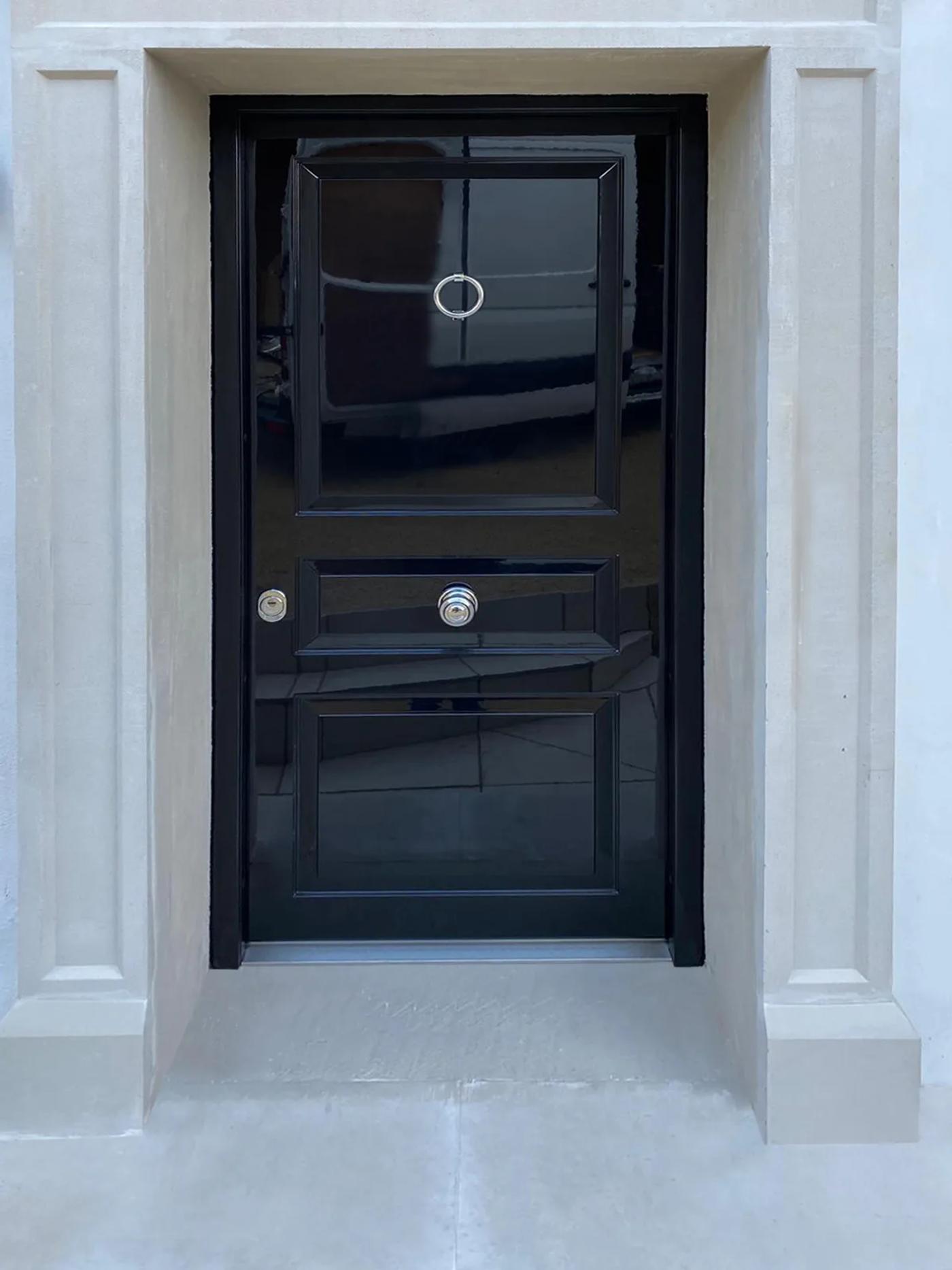
Curved glass in doors and windows adds a unique and elegant touch to the architectural design of any home. It provides both aesthetic and functional benefits and is a popular choice with our clients who are wanting to add something a little different to their new front door or windows.
We've had an increase in enquiries about curved glass in the last year so we thought we'd put together an in-depth look at how it can be used and how it could enhance your home.
Client: Commercial — Year: 2024
What is curved glass?
Curved glass refers to glass that has been shaped into a curved form using a variety of manufacturing processes. It is used in a wide range of applications due to its aesthetic appeal, structural properties, and functional versatility.
Doors
- Entry Doors: Curved glass can be used in entry doors to create a grand and inviting entrance, either as part of the door itself or as sidelights.
- Sliding Doors: Curved glass sliding doors are popular in contemporary homes and commercial buildings, offering a sleek and modern look.
- French Doors: Curved glass panels in French doors add a touch of elegance and sophistication.
- Revolving Doors: Often seen in commercial buildings and hotels, curved glass revolving doors provide an impressive entrance while managing traffic flow efficiently.
Considerations
- Cost: Curved glass is typically more expensive than flat glass due to the specialized manufacturing processes required.
- Installation: Requires skilled labour and precise installation techniques — always employ an expert installer such as Secure House.
- Structural Support: Curved glass installations often require additional structural support, which needs to be taken into account at the design stage.
Windows
- Bay Windows — curved glass bay windows extend outwards from the wall, creating more space inside and providing panoramic views.
- Bow Windows — similar to bay windows but with a more rounded appearance, consisting of multiple curved glass panels.
- Corner Windows — allow for unobstructed views around building corners, maximizing natural light and views.
- Skylights — can create a continuous, unbroken expanse of glass that follows the contours of the roof.
- Atriums and Conservatories — curved glass is often used to create a seamless connection with the outdoors.
Benefits
Aesthetic appeal, more natural light, unobstructed panoramic views, energy efficiency through insulated curved glass, and design flexibility for a wide range of architectural styles.
Manufacturing Techniques
- Heat Bending: Glass is heated until pliable and shaped using a mould — commonly used for large panels such as doors or oversize windows.
- Cold Bending: Glass is bent at room temperature using mechanical force and held in place by a frame, typically for slight curves.
- Laminating: Multiple layers of glass are laminated together with a plastic interlayer while being curved, resulting in a strong and safe glass panel.