21 October 2026 — Secure House Admin
Why Bespoke Security Doors Offer Better Protection Than Standard Doors
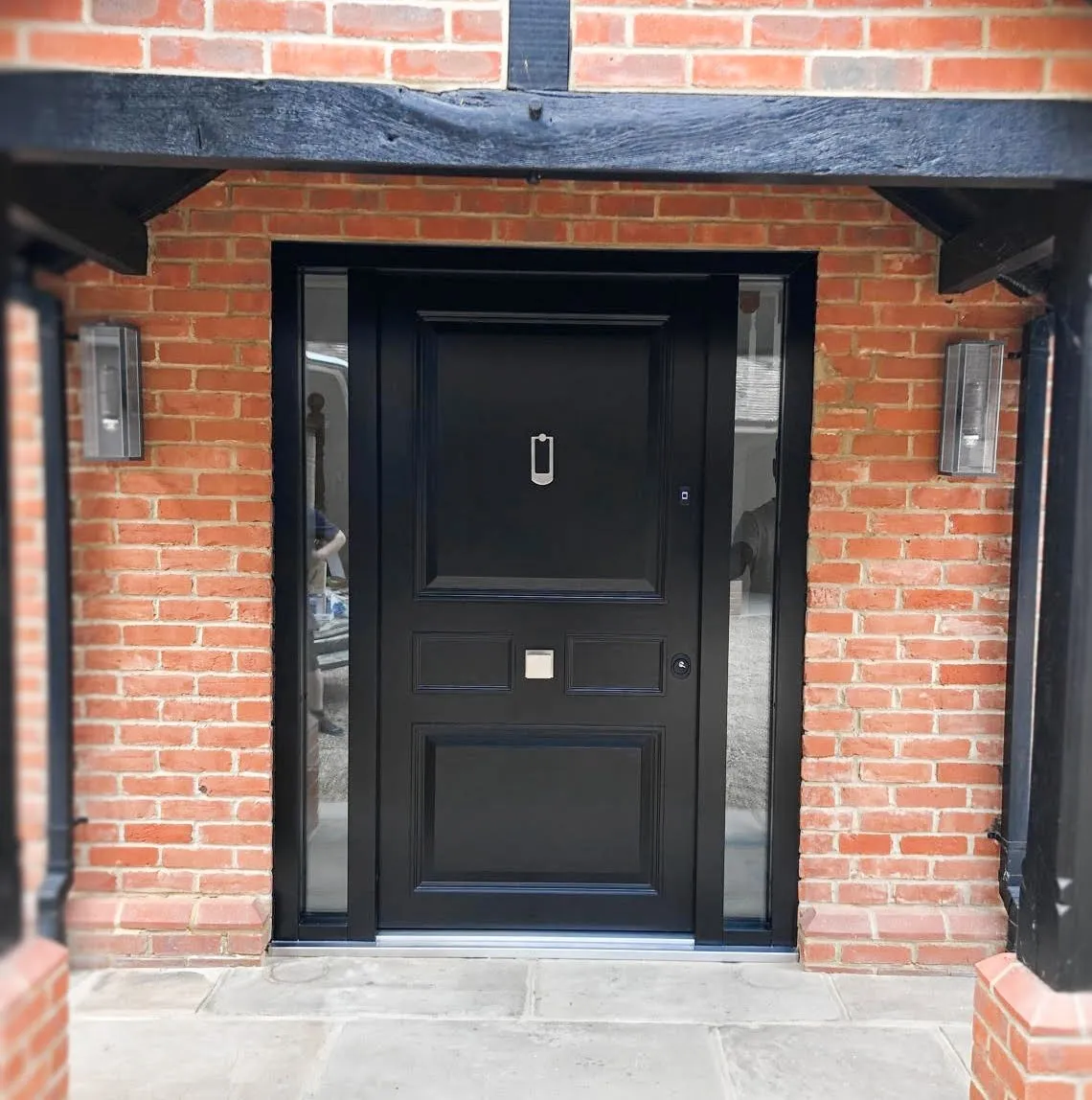
Many UK properties, especially period homes, have non-standard door openings that off-the-shelf products cannot fit properly. Bespoke security doors solve this by combining exact-fit engineering with certified security.
This guide compares bespoke and standard doors and explains when bespoke doors are worth the investment.
Why This Matters
A security door that does not fit its opening precisely leaves gaps that undermine its rated performance, regardless of certification.
For architects, developers and period-property owners, bespoke sizing and design is often the only way to achieve both regulatory compliance and aesthetic integrity.
What Makes a Door “Bespoke” vs “Standard”?
A bespoke door is made to measure, with custom design and finish. A standard door is mass-produced in set sizes. The distinction matters for both security and appearance: a made-to-measure door can be specified around your opening, while a standard door forces the opening to adapt to the door.
Why Standard Doors Can Fail on Non-Standard Openings
Fitting an ill-suited standard door often means gaps, packing materials and fillers. These compromise both security and insulation, creating weak points that a precisely made door avoids entirely.
The Bespoke Door Design and Manufacturing Process
Consultation and CAD Design
The process starts with a consultation and a precise survey of the opening, followed by CAD drawings so you can approve the design before manufacture begins.
Technical Manufacturing
The door is then built with precision engineering and integrated security hardware, using the specified core, cladding and locking system.
Certified Installation
Finally, certified professionals fit the door to preserve both the security rating and the design intent.
Security Benefits of Bespoke Doors
Bespoke doors can still achieve PAS 24 or RC certification while fitting exactly, eliminating the weak points created by oversized frames or filler materials. Browse our range of high security doors to see how certified construction and tailored sizing work together.
Design Flexibility: Matching Period and Architectural Styles
Bespoke manufacturing lets you match Victorian, Georgian and other heritage-friendly styles, with glazing options and ironmongery chosen to blend into the property’s original architecture. A bespoke front door can look entirely at home on a period façade while delivering modern, certified protection.
Material and Hardware Customisation Options
Choose between steel or timber cores and a wide range of cladding finishes. Smart technology can also be integrated, including biometric locks, video entry and motorised locking, giving you modern convenience on top of certified security.
Bespoke Doors for Listed Buildings and Conservation Areas
Listed buildings and conservation areas bring planning considerations and heritage-friendly design requirements. Bespoke manufacturing is often the only compliant route, because the door must respect the building’s character while still delivering real security.
Cost vs Value: Is Bespoke Worth It?
Frame the decision around long-term value rather than a simple upfront comparison with standard doors. A correct fit, with no compromise on security or appearance, avoids rework, draughts and weak points over the life of the door.
Choosing a Bespoke Door Manufacturer
Choose bespoke door manufacturers by checking their design consultation process, certification, realistic lead times and after-sales support before committing. Ask to see examples of similar installations, and make sure certification applies to the type of door you are ordering.
Installation Considerations for Bespoke Doors
A bespoke unit has precision-fitting requirements, so certified installers are essential. Correct installation preserves both the security rating and the design intent, which is why the fitting stage should never be treated as an afterthought.
Comparison: Bespoke vs Standard Doors
Factor
Bespoke door
Standard door
Fit accuracy
Made to measure for the exact opening
Set sizes; may need packing or fillers
Security integrity
No gaps; certification can be maintained
Gaps can undermine rated performance
Design flexibility
Custom styles, finishes and hardware
Limited range of options
Lead time
Longer, due to manufacture
Shorter; often available sooner
Period / listed suitability
Excellent; heritage-friendly
Often unsuitable
Buying Checklist
Get the opening surveyed and measured precisely before ordering.
Confirm the bespoke door can still achieve PAS 24/RC certification.
Discuss design and finish options to match the property’s architectural style.
Ask about lead times, as bespoke doors take longer to manufacture.
Check whether planning permission or conservation area rules apply.
Confirm hardware and smart-lock customisation options.
Ask about warranty coverage for bespoke builds.
Request CAD drawings or a design mock-up before manufacturing begins.
Common Mistakes
Assuming bespoke always costs significantly more without comparing long-term value.
Not allowing enough lead time for manufacturing.
Skipping a professional survey and relying on rough measurements.
Choosing a design that does not meet conservation area requirements.
Forgetting to confirm the bespoke door will still carry proper security certification.
Not asking about after-sales support for a custom-made product.
Expert Tips
Always start with a professional consultation and CAD design stage, not a rough quote.
For listed buildings, involve a heritage-aware manufacturer early in the design process.
Confirm certification applies to the specific bespoke unit, not just the wider product range.
Factor in realistic lead times when planning renovation timelines.
Ask to see examples of similar bespoke installations before committing.
Conclusion
Bespoke security doors solve the fit-and-finish problems standard doors cannot, while still delivering certified security performance. That makes them the preferred choice for period properties, architects and buyers who will not compromise on either security or design.
Ready to start? Book a bespoke door consultation with Secure House today.