21 October 2026 — Secure House Admin
How Secure Are Steel Security Doors Compared to Wooden Doors?
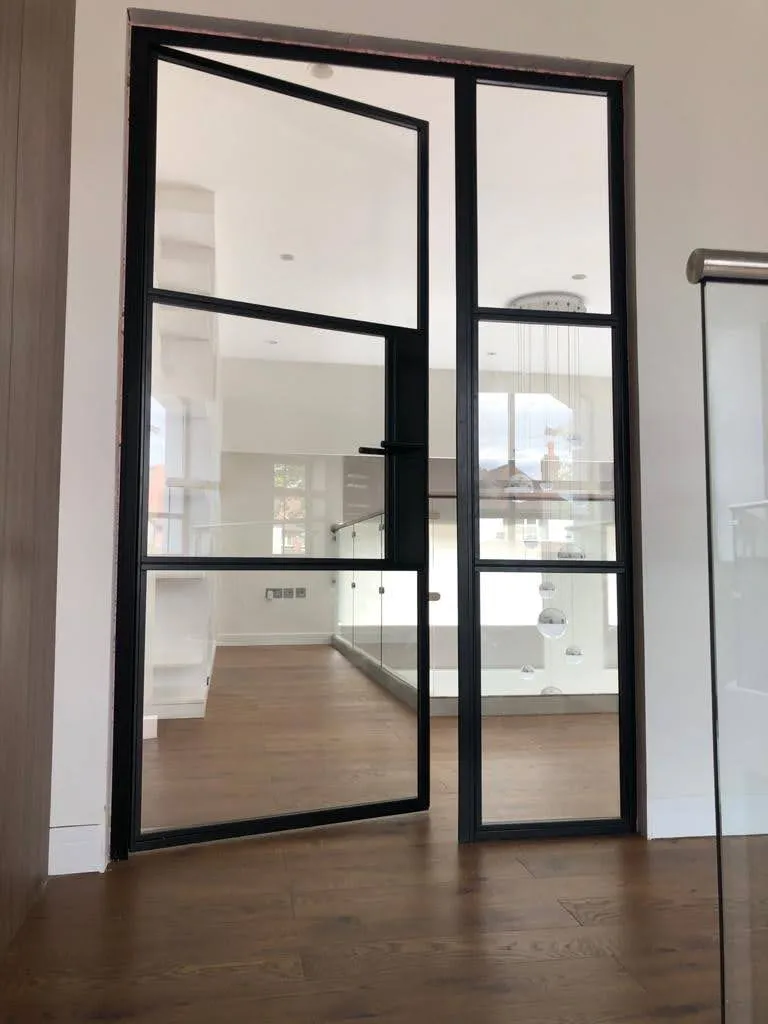
Choosing between steel security doors vs wooden doors is one of the most common dilemmas for UK buyers. Timber feels traditional and “home-like”, while steel is marketed as the stronger option.
This guide compares both on security, insulation, maintenance and appearance so you can decide on facts rather than assumptions. Many modern “steel” doors are steel-cored with timber cladding, blending the strengths of both materials, and you can browse the full range of high security doors to see how they compare.
Why This Matters
The front door is the most targeted entry point in a UK property, so door material directly affects resistance to forced entry, weathering and fire.
Buyers often default to timber for aesthetics without realising that modern steel-core doors can match traditional looks while offering significantly higher resistance to forced entry.
How Steel and Timber Doors Are Constructed
A timber door typically has a solid or engineered timber core. Steel security doors use a galvanised steel leaf and frame. Hybrid doors combine a steel core with timber cladding, giving the strength of one and the look of the other.
Security Comparison: Resistance to Forced Entry
Compare resistance to crowbar attack, kicking and drilling and steel-core construction usually comes out ahead. Steel-core doors are typically able to achieve higher RC ratings than standard timber doors.
A well-built, properly tested timber door set can still provide good protection, so the certificate matters more than the material label. When shortlisting the best front doors for security UK homeowners can buy, compare tested ratings rather than descriptions.
Locking Systems on Steel vs Timber Doors
Steel doors usually support heavier multi-point locking systems and reinforced hinge-side security more easily than timber, thanks to the strength of the frame. Timber can accept good hardware but is more dependent on the quality of the frame and fixings.
Insulation and Thermal Performance
Compare U-values rather than assuming. Steel doors with rock wool or foam insulation layers can match or exceed timber performance, countering the common “steel feels cold” assumption.
Weather Resistance and Longevity in the UK Climate
Timber is vulnerable to warping, swelling and rot in the UK’s damp climate if the finish fails. Galvanised, powder-coated steel resists corrosion well when the coating is done correctly, so ask for details of the protection used.
Appearance and Kerb Appeal: Can Steel Look Like Timber?
Yes. Timber-clad steel doors replicate period designs, including Georgian styles and traditional Victorian front doors, which is ideal for heritage-style or listed properties that still need certified security. For something fully made to measure, explore bespoke doors.
Maintenance Requirements
Timber needs periodic repainting or resealing, while steel typically needs minimal maintenance. A common mistake is underestimating the long-term upkeep of timber doors.
Fire Resistance Considerations
Fire-rated steel door options are relevant to flats and HMOs and can be compared with standard timber fire door specifications. Check which type is required for your building before choosing a material.
Cost Factors Over the Door’s Lifetime
Look at total cost of ownership rather than upfront price: how often the door needs maintenance, its expected lifespan and the likelihood of replacement. A door that needs frequent refinishing can cost more over time than a low-maintenance alternative.
Which Should You Choose? A Decision Framework
Decide by priority. If heritage appearance comes first, choose a timber-clad steel-core door. If low maintenance matters most, go for steel. If you need the highest security rating, choose steel-core with the highest RC class that suits the property. If budget leads, compare lifetime cost, not just purchase price.
Homeowners, architects and developers often land on different answers, so weigh the decision against your own property and brief.
Comparison: Steel vs Timber
Factor
Steel (steel-core)
Timber
Security / RC rating potential
Higher; can achieve RC3 and RC4
Lower for standard doors; depends on tested construction
Insulation
Strong with rock wool or foam layers
Good natural insulation
Weather resistance
High when galvanised and coated
Can warp, swell or rot if finish fails
Maintenance
Minimal
Periodic repainting or resealing
Typical lifespan
Long with good corrosion protection
Varies with upkeep and exposure
Design flexibility
Timber cladding replicates period styles
Wide traditional styles and finishes
Buying Checklist
Decide whether security or heritage appearance is the higher priority.
Check if a steel-core, timber-clad door meets both needs.
Confirm the insulation rating (U-value) for either material.
Ask about corrosion protection for steel doors (galvanising/coating).
Check maintenance requirements before committing.
Verify the RC or PAS 24 rating achievable with the chosen material.
Confirm the supplier offers the finish and colour you want.
Ask about warranty differences between materials.
Common Mistakes
Assuming timber always looks better – modern steel-clad doors replicate period styles.
Underestimating the ongoing maintenance costs of timber.
Assuming steel doors are cold or poorly insulated.
Not checking corrosion protection quality on steel doors.
Choosing purely on upfront price rather than lifetime cost.
Ignoring how each material performs in exposed or coastal locations.
Expert Tips
For period properties, ask about steel-core doors with timber cladding to combine strength and heritage appearance.
Always check the U-value, not just the material, for real insulation performance.
In coastal or high-moisture areas, prioritise corrosion-protected steel.
Budget for timber doors needing repainting or resealing every few years.
Ask for a sample finish before ordering to confirm the look matches expectations.
Conclusion
Steel doors generally outperform timber on security, weather resistance and maintenance, while hybrid steel-core, timber-clad doors let you keep a traditional look without compromising strength. Weigh security against heritage aesthetics, then choose a tested door set to match.
To explore your options, speak with Secure House about steel-core, timber-clad security front doors.
Frequently Asked Questions
Are steel security doors stronger than wooden doors?
Generally yes. Steel-core doors usually achieve higher resistance ratings than standard timber doors, particularly against crowbar attack and drilling, although a well-built and properly tested timber door set can still offer good protection.
Can a steel door look like a traditional wooden door?
Yes. Timber-clad steel doors replicate traditional designs, including Victorian and Georgian styles, while keeping the strength of a steel core underneath.
Do steel security doors rust in the UK climate?
Properly galvanised and powder-coated steel resists corrosion well in the UK’s damp climate. The quality of the coating matters, so ask about the corrosion protection used, especially near the coast.
Are steel doors well insulated?
Yes, when built with insulating layers such as rock wool or foam. Compare U-values rather than assuming, as insulation depends on construction and not just the outer material.
How long do timber security doors typically last?
Lifespan depends on timber quality, finish, exposure and upkeep. Regular repainting or resealing extends life considerably. Ask your supplier for the expected lifespan and warranty terms for the specific door.